- Magnetic Therapy Devices Deals
- sku: 1356840521097791
- GOVW USJLC011
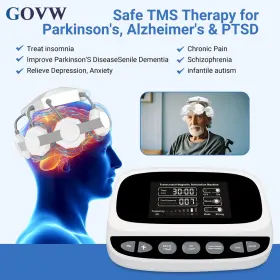
USJLC011 GOVW Rtms Transcranial Magnetic Stimulation Therapy
| Brand | GOVW |
|---|---|
| Manufacturer Part Number | USJLC011 |
| Country Of Origin | CHINA |
| Variable Adjust Frequency Modes | 11 MODES TO CHOOSE |
| Magnetic Field Frequency | 1/5/10/15/20/30/40/50HZ, 8 FIXED FREQUENCY ADJUSTABLE |
| Color | WHITE |
| Time | 0-95 MINUTES, EVERY 5 MINUTES ADJUSTABLE |
| Machine Size | 27.97 18.97 8.06CM / 11.01 7.47 3.17IN |
| Weak Level Magnetic Strength | 6MT-10MT |
| Power Supply | AC 100V-240V, 50HZ/60HZ |
| Type | TRANSCRANIAL MAGNETIC STIMULATION DEVICE |
| Unit Type | UNIT |
| Number Of Therapeutic Heads | 1 LARGE THERAPEUTIC HEAD 8 SMALL THERAPEUTIC HEAD |
| Features | ADJUSTABLE, EASY TO USE, REUSABLE |
| Strong Level Magnetic Strength | 11MT-19MT |
| Net Weight | MACHINE |
| Therapeutic Head | 0.7KG / 1.54LBS |
Review GOVW Rtms Transcranial Magnetic Stimulation Therapy Depression Anxiety Physicotherapy
Product Name: govw usjlc011 RTMS Transcranial Magnetic Stimulation Therapy System for Depression
The govw usjlc011 RTMS (Repetitive Transcranial Magnetic Stimulation) Transcranial Magnetic Stimulation Therapy System is a non-invasive medical device designed for use in the treatment of major depressive disorder. This advanced physiotherapy equipment employs the principles of magnetic stimulation to generate a magnetic field that stimulates nerve cells in the brain to improve mood and alleviate symptoms of depression.
The device consists of a compact, easy-to-use unit that includes a control console, a patient applicator, and a power supply. The patient applicator is designed with adjustable coils of various sizes to accommodate different head sizes and treatment areas. The system delivers adjustable and precise magnetic stimulation with frequencies ranging from 1 to 20 Hz, allowing for customized therapy plans based on individual patient needs.
The govw usjlc011 RTMS system offers several features that make it an effective and efficient depression treatment solution. Its built-in safety mechanisms, such as the automatic patient detection system and the adjustable stimulation intensity, help ensure the safety and comfort of the patient during therapy sessions. The device also features an intuitive user interface and a large, clear display screen, making it easy for healthcare professionals to manage and monitor the treatment process.
The therapy sessions with this device are typically administered five days a week for several weeks, with each session lasting between 20 and 40 minutes. The system keeps a record of treatment data, including session duration, stimulation intensity, and patient responses, enabling healthcare professionals to track the progress of the therapy and adjust treatment plans accordingly.
In summary, the govw usjlc011 RTMS Transcranial Magnetic Stimulation Therapy System is a sophisticated, non-invasive medical device that utilizes magnetic stimulation to treat major depressive disorder. Its customizable treatment plans, adjustable stimulation intensity, user-friendly design, and built-in safety features make it an effective and efficient solution for healthcare professionals seeking to improve the lives of their patients suffering from depression.
Transcranial Magnetic Stimulation (TMS) therapy, specifically the rTMS (repetitive Transcranial Magnetic Stimulation) type like govw usjlc011, is a non-invasive neurostimulation treatment used to alleviate symptoms of depression. This form of physiotherapy involves applying magnetic fields to specific areas of the brain to stimulate nerve cells and enhance neurotransmitter activity. Below are some pros and cons of using govw usjlc011 rTMS therapy for depression.
Pros:1. Effective: Several studies suggest that rTMS therapy can be effective in treating depression, particularly in cases where other treatments have been unsuccessful.
2. Non-Invasive: Unlike Electroconvulsive Therapy (ECT), rTMS therapy is non-invasive, meaning it does not require surgery or anesthesia.
3. Fewer Side Effects: Compared to traditional antidepressant medications, rTMS therapy has fewer side effects, such as weight gain, sexual dysfunction, and sedation.
4. Personalized Treatment: rTMS therapy can be customized to each individual, allowing for personalized treatment plans based on the specific areas of the brain that need stimulation.
5. Short Treatment Sessions: Each rTMS therapy session typically lasts around 20-40 minutes, making it a relatively quick treatment option.
Cons:1. Cost: rTMS therapy can be expensive, and insurance coverage varies widely. Some people may not be able to afford the out-of-pocket costs.
2. Limited Availability: rTMS therapy is not widely available in all areas, and some people may need to travel long distances to access it.
3. Potential Side Effects: While rTMS therapy has fewer side effects than traditional antidepressants, it can still cause side effects such as headaches, dizziness, and seizures in rare cases.
4. Requires Multiple Sessions: rTMS therapy typically requires multiple sessions over several weeks to see significant improvements in depression symptoms.
5. Limited Long-Term Effects: While rTMS therapy can be effective in the short term, its long-term effects are still being researched, and some people may need ongoing treatment to maintain symptom relief.
In conclusion, govw usjlc011 rTMS therapy can be an effective treatment option for depression, particularly for those who have not responded well to other treatments. Its non-invasive nature and fewer side effects make it an attractive alternative to traditional antidepressant medications. However, its cost, limited availability, potential side effects, and requirement for multiple sessions are important considerations. Ultimately, the decision to use rTMS therapy for depression should be made in consultation with a healthcare professional, taking into account individual circumstances and treatment options.
Recommendation:If you are considering rTMS therapy for depression, it is important to discuss the potential benefits and risks with your healthcare provider. They can help you determine if rTMS therapy is the right treatment option for you based on your specific needs and circumstances. Additionally, exploring insurance coverage options and researching local rTMS therapy providers can help you make an informed decision and prepare for the financial and logistical aspects of treatment.
Details:
3 wide range of applications, supports rehabilitation and relief for various neurological psychological conditions such as stroke recovery, cerebral infarction, Parkinson's disease, dementia, epilepsy. Transcranial magnetic stimulation Parkinson schizophrenia rtms therapy machine. Applications: neurological and rehabilitation disorders, suitable for conditions such as cerebral hemorrhage recovery, infarction rehabilitation, limb dysfunction, speech language disorders, neural headaches, artery insufficiency pre-, mid-, post-stroke, stroke prevention, hemiplegia senile dementia, brain atrophy, fatigue syndrome, Parkinson's disease pd, epilepsy, other neurological impairments. Also beneficial for mental health issues like depression, autism, COD, insomnia, migraine, and anxiety.
2 safe, effective non-invasive treatment, designed based on neuroscience and clinical research, our tms therapy machine provides safe effective brain stimulation without surgery or medication. The lightweight, adjustable magnetic cap fits comfortably for all head sizes. It can also be used in research related to motor function and . Simple button controls allow personalized settings.
4 multi-functional settings, features 8 fixed frequencies 1 50hz and 11 variable frequency modes. The magneto therapy function supports relief from brain fatigue and assists in the treatment of ischemic cerebrovascular injury-related conditions. Transcranial magnetic therapy non-invasive brain stimulation for neurological recovery and rehabilitation, tms is a non-invasive Northrop that uses changing magnetic fields to stimulate specific areas of the brain. The function of the tms device helps enhance cerebral blood circulation, making it suitable for treatment and rehabilitation ischemic cerebrovascular diseases, brain injury.
1 advanced rtms brain therapy technology, repetitive transcranial magnetic stimulation uses non-invasive magnetic pulses to activate specific areas of the brain. Mental and psychological disorders, helps improve symptoms of depression, autism, schizophrenia negative symptoms, obsessive-compulsive disorder COD, mania, migraine, neurasthenia, insomnia, anxiety, cognitive dysfunction, providing comprehensive mental health support. The transcranial magnetic simulator is designed for central and peripheral nerve stimulation, as well examinations neurological function assessments in rehabilitation psychiatry.
specifications magtherapydev:
- brand: Govw
- mpn: Usjlc011
- country of origin: China
- variable adjust frequency modes: 11 Modes To Choose
- magnetic field frequency: 1/5/10/15/20/30/40/50hz, 8 Fixed Frequency Adjustable
- color: White
- time: 0-95 Minutes, Every 5 Minutes Adjustable
- machine size: 27.97 18.97 8.06cm / 11.01 7.47 3.17in
- weak level magnetic strength: 6mt-10mt
- power supply: Ac 100v-240v, 50hz/60hz
- type: Transcranial Magnetic Stimulation Device
- unit type: Unit
- number of therapeutic heads: 1 Large Therapeutic Head 8 Small Therapeutic Head
- features: Adjustable, Easy To Use, Reusable
- strong level magnetic strength: 11mt-19mt
- net weight: Machine
- therapeutic head: 0.7kg / 1.54lbs
general magtherapydev:
- category: Health & Beauty > Natural Alternative Remedies > Magnetic Therapy
shipping magtherapydev:
- transit: 2-6 days
- service: standard
- type: fixed
- class: standard
payments magtherapydev:
- wallet: paypal
- credit card: visa
- other
offer magtherapydev:
- price: $1269.00
- item condition: New with box
- availability: in stock
- options: ship-to-home
- started: october 21, 2025
- sold #: 14
- best offers: true
- in stock #: 1
returns magtherapydev:
- time: 30 days
- method: money back
- policy: returns accepted
- paid by: buyer
seller magtherapydev:
- rating: 100.0%
- city: florence, kentucky
- # reviews: 2
Similar Items:
- Govw Usjlc016 Rtms Transcranial Magnetic Stimulator Machine Depression Anxiety Brain Therapy Mental and psychological disorders, helps improve symptoms of depression, autism, schizophrenia negative symptoms, obsessive-compulsive disorder COD, mania, migraine, neurasthenia, insomnia, anxiety, cognitive dysfunction, providing comprehensive mental health support. Simple button controls allow ...(October 20th, 2025)
- Govw Usjlc019 Tms Transcranial Magnetic Stimulation Therapy Machine For Insomnia Anxiety Ptsd Simple button controls allow personalized settings. Transcranial magnetic therapy non-invasive brain stimulation for neurological recovery and rehabilitation, tms is a non-invasive Northrop that uses changing magnetic fields to stimulate specific areas of the brain. 1 advanced rtms brain therapy ...(October 20th, 2025)
- Govw Usjlc018 Transcranial Magnetic Stimulation Tms Anxiety Brain Atrophy Neurasthenia Therapy Transcranial magnetic therapy non-invasive brain stimulation for neurological recovery and rehabilitation, tms is a non-invasive Northrop that uses changing magnetic fields to stimulate specific areas of the brain. 2 safe, effective non-invasive treatment, designed based on neuroscience and clinical...(October 20th, 2025)
- Govw Usjlc017 Tms Transcranial Magnetic Stimulator For Migraine Stroke Mental Health Treatment The transcranial magnetic simulator is designed for central and peripheral nerve stimulation, as well examinations neurological function assessments in rehabilitation psychiatry. Transcranial magnetic therapy non-invasive brain stimulation for neurological recovery and rehabilitation, tms is a non-...(October 21st, 2025)
- Govw Usjlc015 Rtms Transcranial Magnetic Stimulator Therapy For Parkinsons Depression Stroke Also beneficial for mental health issues like depression, autism, COD, insomnia, migraine, and anxiety. Applications: neurological and rehabilitation disorders, suitable for conditions such as cerebral hemorrhage recovery, infarction rehabilitation, limb dysfunction, speech language disorders, ...(October 21st, 2025)
- Govw Usjlc014 Rtms Therapy For Parkinson Schizophrenia Transcranial Magnetic Stimulation Brain Transcranial magnetic therapy non-invasive brain stimulation for neurological recovery and rehabilitation, tms is a non-invasive Northrop that uses changing magnetic fields to stimulate specific areas of the brain. 2 safe, effective non-invasive treatment, designed based on neuroscience and clinical...(October 21st, 2025)
- Govw Usjlc013 Rtms Transcranial Magnetic Therapy For Stroke Parkinson Migraine Improve Memory The transcranial magnetic simulator is designed for central and peripheral nerve stimulation, as well examinations neurological function assessments in rehabilitation psychiatry. Mental and psychological disorders, helps improve symptoms of depression, autism, schizophrenia negative symptoms, ...(October 21st, 2025)
- Govw Usjlc012 Tms Magnetic Brain Stimulation Therapy For Depression Anxiety Insomnia Treatment The function of the tms device helps enhance cerebral blood circulation, making it suitable for treatment and rehabilitation ischemic cerebrovascular diseases, brain injury. The magneto therapy function supports relief from brain fatigue and assists in the treatment of ischemic cerebrovascular ...(October 21st, 2025)
- Govw Usjlc01 Transcranial Magnetic Stimulation Parkinson Schizophrenia Rtms Therapy Machine Transcranial magnetic stimulation Parkinson schizophrenia rtms therapy machine. Transcranial magnetic therapy non-invasive brain stimulation for neurological recovery and rehabilitation, tms is a non-invasive Northrop that uses changing magnetic fields to stimulate specific areas of the brain. It ...(October 21st, 2025)
- Govw Usjlc01126 Rtms Brain Therapy Transcranial Magnetic Stimulation For Depression Anxiety Transcranial magnetic therapy non-invasive brain stimulation for neurological recovery and rehabilitation, tms is a non-invasive Northrop that uses changing magnetic fields to stimulate specific areas of the brain. The lightweight, adjustable magnetic cap fits comfortably for all head sizes. The ...(November 11th, 2025)
- Govw Usjlc01124 Depression Therapy Transcranial Magnetic Stimulation Treatment Brain Device It can also be used in research related to motor function and . 4 multi-functional settings, features 8 fixed frequencies 1/5 0HZ and 11 variable frequency modes. Transcranial magnetic stimulation Parkinson schizophrenia rtms therapy machine. The lightweight, adjustable magnetic cap fits ...(November 11th, 2025)
